How to Make Your Loft Conversion More Eco-Friendly
From 2008 to 2017, there was a 114% increase in UK loft conversion planning applications, as many homeowners are opting to upgrade their homes rather than move. With so many people going down the route of converting their lofts, making the loft more eco-friendly is a feat that when done right, can be beneficial for the environment and your pocket.
Market Design & Build, a specialist in home extensions and loft conversions in London (and surrounding areas), outlines the benefits and the steps to take to make your loft conversion more eco-friendly:
Benefits
Taking steps to create a ‘green’ loft can simultaneously reduce your carbon footprint and your energy bills. You don’t have to compromise between doing your part to help save the planet and have a well-designed loft. With smart planning, the right design company and the best materials, your loft conversion can be one of the most stylish and carbon-friendly investments you make in your home.
Some of the main benefits include:
- Cost-effective
- Saving money on utility bills
- Reduced material wastage during construction
- Creates more space in your home
- Potential 20% increase in the value of your property
How to make your loft more eco-friendly
- Using sustainable materials for the build
One of the easiest ways to ensure that your loft is environmentally friendly is to use recyclable and recycled materials during the construction phase.
Using timber as the primary material for the lofts wall structure is a better alternative to using concrete or bricks. Timber is a cheaper option and can have many other benefits, such as maintaining comfortable air quality and providing good insulation.
Even with the insulation materials, using natural low environmental impact materials, such as cork or sheep’s wool, will ensure that the heat doesn’t escape and will be more cost-effective.
Using tiles, you already have or using recycled shingles for your roof is another way to reduce costs and utilise recycled materials.
- Solar Panels
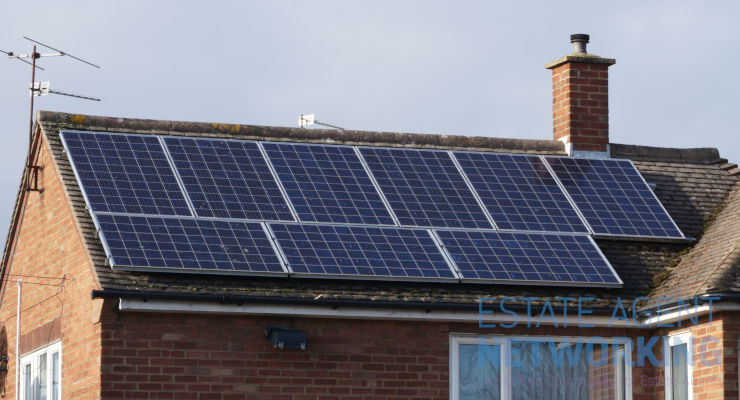
Installing solar panels on top of your loft is a great way to take advantage of nature’s free resource, to provide hot water and electricity to your home. It may be a more expensive investment initially, but in the long term, money will be saved on household utility bills.
- Lighting
Using low energy LED bulbs in your loft will reduce your electricity bills in the long run, as these types of bulbs last a lot longer than regular bulbs. Another great way to light up your loft is by having lots of windows in the space; this can be designed and requested before the initial build. Windows allow the natural light to fill the room as well as open up the space.
- Double or triple glazing
Using double or triple glazing windows is a good technique to insulate your loft. This technique allows the heat to stay in the room and prevents it from escaping; allowing you to use less central heating, thus helping you save money on heating bills in the long run.

You May Also Enjoy
Residential projects remain under pressure

Homebuyers hold tight ahead of Autumn Budget

House price growth accelerates in Q2

House prices hold steady despite impact of higher interest rates

Breaking Property News 5/10/26