How to Prevent Your Home from Flooding
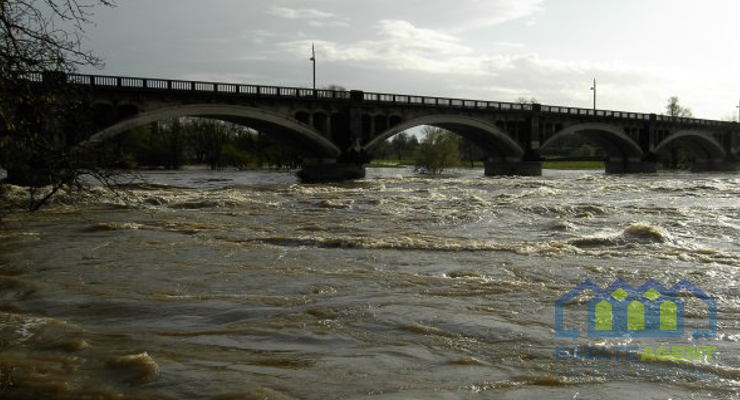
You may be worried about the potential risk of your home being flooded out as a result of torrential rainfall. To find out what your risk factor is, an assessment can be carried out to determine the flood risk. However, there are also a number of protection methods you can look into in order to make your home as safe as possible. Even an inch of water can cause significant damage to your home interior, so it’s important you are in-the-know of your risk and what you can do to protect your possessions. Here are a few considerations to bear in mind:
1. Raise your home on stilts
If you’re able to do so, raise your home on stilts would significantly reduce the likelihood of your home flooding. This is due to the fact that the flood level would be risen. Yet, it can often be the most expensive protection method but is usually one of the most successful.
2. Apply coatings and sealants
If your property is old or hasn’t been well-maintained over the years, then you may need to carry out the necessary checks for cracks. Water can seep into the interior of your home through these unnoticed cracks, which will significantly higher your risk level. If cracks are found, apply a coating or sealant to prevent water from leaking through.
3. Check for blocked drains
One of the most overlooked causes of flooding is the blocked drains running around your property. Unfortunately, it can be difficult to tell whether drains are blocked, which can then lead to unexpected flooding. However, the good news is that there is a way around this with the use of a CCTV drain survey. CCTV cameras can be inserted down the drain to record live footage and ensure that no possible causes are missed. A survey will determine some of the main factors of flood risk, including broken pipes, old drains, and the overall conditions of the drain. Find out more about a Professional Drain Survey in London today.
If your lawn is on a slant towards your home, then the rainwater is likely to gather. One of the best ways of combatting this issue would be to adjust the gradient of your lawn to prevent your home from becoming water-logged. Use a heavy soil with the inclusion of clay so that the water runoff will make its way into the drainage system, rather than your property. If you believe your entire street is prone to flooding, it would be advised to speak with your local council, as this is an aspect they can help with.
5. Use sandbags
When heavy rainfall is expected, a quick prevention method would be to place sandbags or clever alternatives around the entrances of your home to prevent water seeping through. Although this isn’t a long-term solution, it’s an aspect that needs to be considered for emergencies.
6. Modify water valves
If your water systems are flooded, there’s a likelihood that sewage can end up in your home. It would be recommended to install both an interior and exterior backflow valve onto pipes to prevent this.

You May Also Enjoy

Breaking Property News 20/10/26
The six shocking ways first-time buyers are being caught out
FTBs reveal real cost of homeownership

Supply of family-suitable homes falls across the nation

84% of agents fear Autumn Budget anti-climax