

How to spot and prevent damp and mould in your home
As temperatures fall and homes become more susceptible to condensation and moisture, Propertymark is urging tenants and homeowners to be aware of the signs of damp and mould and take action early to protect their homes and their health.
Two-year-old Awaab Ishak died from a severe respiratory infection after being exposed to damp and mould after living with it during a long period in his home in December 2020. His death brought the serious health risks associated with damp and mould into sharp focus and prompted changes to legislation designed to better protect people living in rented accommodation.
With damp and mould continuing to affect households across the UK, knowing what to look out for and understanding how to reduce the risk can help prevent problems from becoming more serious.
How many different types of damp are there?
There are several different types of damp that can affect a property, including:
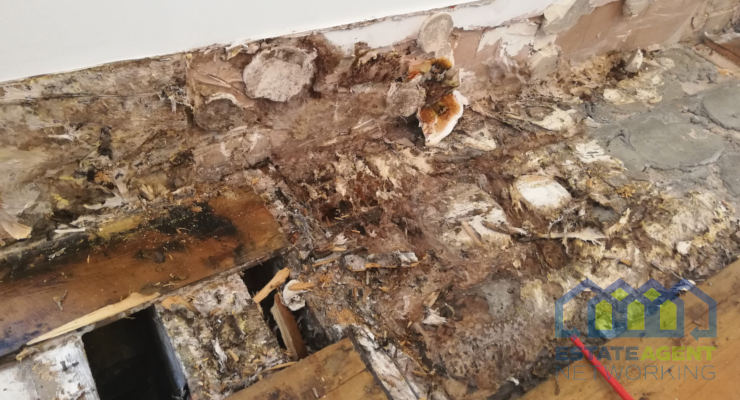
Rising damp: This occurs when moisture moves upwards from the ground through the masonry of a building. Many properties have preventative measures designed to stop this from happening, but these can deteriorate over time and may require maintenance. Rising damp can be particularly challenging to address in older buildings because of differences in construction methods and standards.
Penetrating damp: This occurs when water enters a property from outside, often through problems such as leaking pipes, damaged roofs or blocked gutters. These issues can often be identified and repaired before they cause more extensive damage.
Construction damp: This can result from problems with the way a property was designed or built and should be investigated promptly to prevent potential long-term damage.
Condensation damp: This occurs when there is too much moisture in the air and insufficient ventilation or airflow. Cooking, bathing, showering and drying clothes indoors can all increase moisture levels, while poor ventilation can allow condensation to build up and contribute to mould growth.
Identifying the underlying cause is important, as simply cleaning visible mould without addressing the source of the problem can allow it to return.
What are the effects of damp and mould on your health?
Exposure to damp and mould can aggravate respiratory symptoms and allergies. Children, older people and people with existing respiratory conditions or weakened immune systems can be particularly vulnerable.
Damp conditions can increase the presence of mould spores, allergens and other irritants within a home. Excessive moisture can also create conditions that support the growth of mould and other fungi, as well as dust mites and other biological contaminants.
Anyone experiencing respiratory problems, infections or allergic symptoms who is concerned about exposure to damp and mould should consider seeking medical advice.
How can you reduce the risk of damp and mould?
Good ventilation is important in reducing excess moisture within a property.
Open windows regularly after cooking, taking a shower or using the bath, or use extractor fans in the kitchen and bathroom where they are installed.
Drying clothes indoors can also increase moisture levels, particularly where there is limited ventilation. If you need to use an indoor clothes airer, try to ensure there is a regular flow of fresh air through the room.
During colder months, maintaining appropriate heating and ventilation together can help reduce condensation. Simply turning the heating on without addressing poor ventilation may not resolve the underlying problem.
Furniture can also restrict airflow, so avoid placing large items tightly against external walls where possible and make sure air can circulate around the room.
What should you do if you find damp or mould?
If you notice persistent damp, mould, condensation or signs of water entering your property, don’t ignore it.
If you are renting, report the problem to your landlord or letting agent as soon as possible. Providing details of where the problem has occurred and when you first noticed it can help the issue to be investigated promptly.
Landlords and letting agents should investigate the underlying cause rather than simply treating visible mould. Keeping a record of reports, inspections and any remedial work can also help ensure problems are followed up appropriately.
What responsibilities do landlords and agents have?
Landlords and letting agents have an important role to play in ensuring rented properties are safe and that reports of damp and mould are taken seriously.
In England, the Renters’ Rights Act has strengthened enforcement powers available to local authorities, while landlords remain responsible for addressing hazards and maintaining safe homes.
The UK Government is currently consulting on how Awaab’s Law will be implemented across the private rented sector in England, with the consultation closing on 18 December 2026. The consultation will help determine the timescales for when the new protections will come into force.
In Scotland, new Investigation and Commencement of Repairs (Scotland) Regulations 2026 came into force on 6 October 2026. The regulations introduce specific timescales for landlords dealing with reported damp and mould, including an investigation within 10 working days, a written summary of findings within three working days of completing the investigation and the commencement of required safety work within five working days.
While the regulatory framework differs across the UK, landlords and agents should ensure that appropriate inspection, maintenance and reporting processes are in place to identify problems and address them promptly.
Kim Lidbury, ARLA (Association of Residential Letting Agents) Propertymark President, said:
“As temperatures fall and homes become more susceptible to condensation and moisture, the fear of seeing familiar signs of damp and mould return can be a real concern for tenants and their families. Living with persistent damp and mould can have a significant impact on the comfort and enjoyment of a home, as well as potentially affecting physical and mental wellbeing.
“The real-world consequences of living with damp and mould can be catastrophic, which is why it is so important that concerns are taken seriously and addressed in a prompt, robust and effective manner. For families, particularly those with children or other vulnerable household members, the consequences of allowing problems to persist can be devastating.
“Landlords and letting agents have an important role to play in ensuring that reports are acted upon quickly, the underlying cause is properly investigated, and any necessary remedial work is carried out to a high standard. Simply treating the visible symptoms without addressing the root cause risks allowing the problem to return and leaving tenants facing the same concerns repeatedly.”

You May Also Enjoy

Britain’s most affordable towns revealed

Bank of England raises rates to 4%

Breaking Property News 5/11/26

Guy Fawkes Night set to fizzle out for UK households

Budget tax raid could hit landlords for £3,500 a year