Melamine Board vs. Wood: Which is the Better Choice for Shelving and Storage?
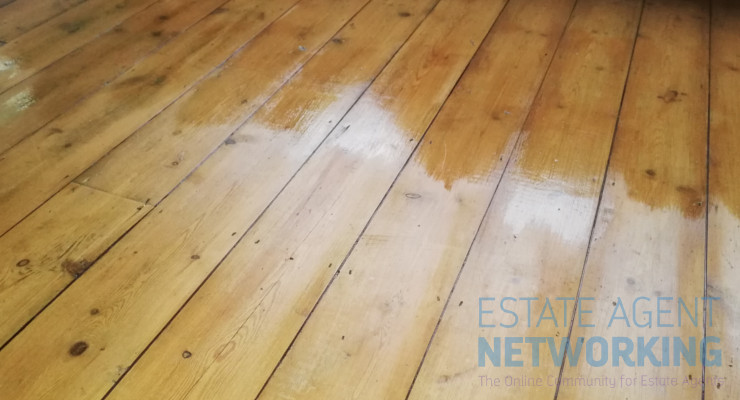
When it comes to creating functional and durable storage solutions, homeowners and businesses alike have a variety of options to choose from. Two popular materials for shelving and storage are melamine board and wood. But which one is the better choice?
Melamine Board
Melamine board, also known as particleboard, is a type of engineered wood product made from resin-coated paper that is fused to a core of wood chips or particles. Melamine board is a popular choice for shelving and storage because it is relatively inexpensive, durable, and easy to clean.
One of the main advantages of melamine board is its durability. Melamine board is resistant to scratches, dents, and staining, making it a great choice for high-traffic areas and storage spaces that may be exposed to moisture or spills. Additionally, melamine board is easy to clean and maintain, making it a great option for busy households and businesses.
Another advantage of melamine board is its versatility. Melamine board can be cut, drilled, and shaped to fit any space, making it a great choice for custom storage solutions. Additionally, melamine board is available in a wide variety of colors and finishes, so it can easily match any decor.
However, melamine board does have some downsides. One of the main disadvantages of melamine board is that it is not as strong or stable as solid wood.
Additionally, melamine board can be prone to warping and cracking over time, especially if it is exposed to high levels of moisture or heat.
Wood
Wood is a popular choice for shelving and storage because it is strong, durable, and versatile. Wood can be cut, drilled, and shaped to fit any space, making it a great choice for custom storage solutions. Additionally, wood is available in a wide variety of species, each with its own unique look and feel, so it can easily match any decor.
One of the main advantages of wood is its strength and stability. Solid wood is much stronger and more stable than melamine board, making it a great choice for heavy loads and large storage spaces. Additionally, wood is resistant to warping and cracking, making it a great option for areas that may be exposed to moisture or heat.
Another advantage of wood is its natural beauty. Wood has a unique look and feel that can add warmth and character to any space. Additionally, wood can be stained or painted to match any decor.
However, wood does have some downsides. One of the main disadvantages of wood is that it is more expensive than melamine board. Additionally, wood can be more difficult to clean and maintain, especially if it is exposed to moisture or spills.
Conclusion
In conclusion, both melamine board and wood have their own advantages and disadvantages when it comes to shelving and storage. Melamine board is a more affordable, durable and easy to clean option, while wood is stronger, more stable and has natural beauty. Ultimately, the choice between melamine board and wood will depend on your specific needs, budget and preferences.
When deciding which material is right for your shelving and storage needs, it is important to consider the weight of the items you will be storing, the amount of traffic the space will see, and your budget. Additionally, it is important to consider the long-term durability and stability of the material, as well as its resistance to moisture and heat.

You May Also Enjoy

Rightmove Sends the Enquiry. The Branch That Rings First Books the Viewing
Residential projects remain under pressure

Homebuyers hold tight ahead of Autumn Budget

House price growth accelerates in Q2

House prices hold steady despite impact of higher interest rates