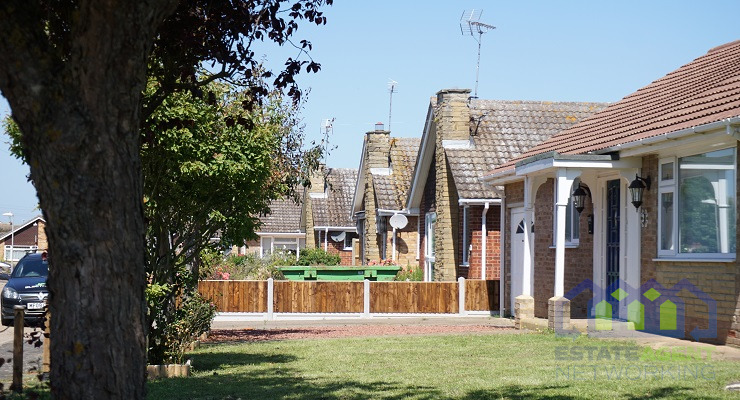


Mortgage overpayments in a confident market

Financial experts are encouraging homeowners and first-time buyers to take a fresh look at mortgage overpayments as confidence builds in the UK property market and interest rates begin to ease.
With major lenders cutting rates, improved loan-to-value options for buyers, and growing optimism in the 2026 market, mortgage overpayments are emerging as a powerful and underused financial strategy for households looking to reduce long-term costs and gain greater financial freedom.
The experts at Flagstone, part of Beresfords Group, highlight seven key points that homeowners should consider when it comes to mortgage overpayments, to help position themselves well financially for the future.
John Lineham, Managing Director at Flagstone, said:
“We’re seeing a much more confident market, particularly among first-time buyers and existing clients coming off fixed deals. Overpayments are one of the simplest but most effective ways to reduce long-term interest, improve loan-to-value, and regain control at a time when people want certainty.
“The key is getting the right advice – because done properly, even modest overpayments can make a life-changing difference over the life of a mortgage. With more properties available, more competitive rates, and greater choice for buyers, we believe many homeowners are well placed to benefit if they act with clarity rather than hesitation.”
- Overpayments directly reduce your debt and interest
Mortgage overpayments involve paying more than your required monthly repayment, with the additional funds going straight towards reducing the loan balance. This cuts the amount of interest charged over time and can dramatically shorten the mortgage term. For example, a homeowner with a £250,000 repayment mortgage over 35 years at 5% interest would have a monthly repayment of around £1,262. If they overpaid by an additional £200 per month, their mortgage could be repaid in around 24 years and 11 months instead of 35 years.
This would reduce the mortgage term by approximately 10 years and 1 month and could save around £91,557 in interest, assuming the 5% interest rate remained unchanged, and the £200 overpayment was made every month for the duration of the mortgage. The actual savings will vary depending on the mortgage interest rate, remaining term, lender calculations and any restrictions or early repayment charges that apply to overpayments. Many lenders impose limits on how much can be overpaid without an early repayment charge.
- They are especially powerful in a higher-rate environment
With interest rates higher than they were during the pandemic-era fixed deals, overpayments now deliver greater value. As many homeowners come off five-year fixed rates taken out during COVID, Flagstone advisors are increasingly helping clients use overpayments to soften the impact of higher borrowing costs.
- Most lenders allow overpayments – but limits matter
While many lenders allow annual overpayments of up to 10% (and sometimes 20%) of the outstanding mortgage balance without penalty, exceeding this allowance can trigger Early Repayment Charges (ERCs). Understanding these limits is critical before making lump sum or regular overpayments.
- Overpayments can improve future mortgage options
Reducing the mortgage balance faster improves loan-to-value ratios, which can unlock better rates when remortgaging. This is particularly relevant as lenders compete more aggressively and rates continue to edge down, creating stronger opportunities for both existing borrowers and first-time buyers.
- First-time buyers are benefiting from a more buoyant market
Flagstone has reported a noticeable uplift in first-time buyer activity, driven by improved confidence, more choice of properties on the market, and better lending options. Overpayments early in a mortgage term can set these buyers up for stronger long-term affordability.
- Overpayments should never come at the expense of financial security
While overpaying a mortgage can be highly effective, liquidity remains essential. Households still need accessible savings for emergencies, home repairs and unexpected expenses. For some, flexible savings or staggered overpayments may be a better fit than committing every spare amount of money specifically to a mortgage overpayment.
- Timing and guidance make all the difference
With base rate cuts expected in the second quarter of 2027, the forecast is that rates will settle around the 4% range, but seeking expert advice is key for planning the future. Mortgage overpayments don’t have to be constant – they can be strategic, flexible and aligned with wider financial goals, and they are different for everyone. For those unsure whether overpayments are right for them, Flagstone recommends speaking to an independent mortgage advisor to discuss different scenarios and ensure decisions support both short-term stability and long-term ambitions.
As a large introducer, Flagstone benefit from a large number of exclusive mortgage rates not available to the general public. The team have vast experience in the mortgage market and are able to guide you through the whole process of buying and remortgaging.

You May Also Enjoy

Renting an Apartment for Streaming and Gaming: What to Check Before Paying the Security Deposit

London rents outperform property values

Rental property availability falls
Average advertised rents surpass £1,400 for the first time

Barclays unlocks wider mortgage access for company directors