Period features: Restore or replace?
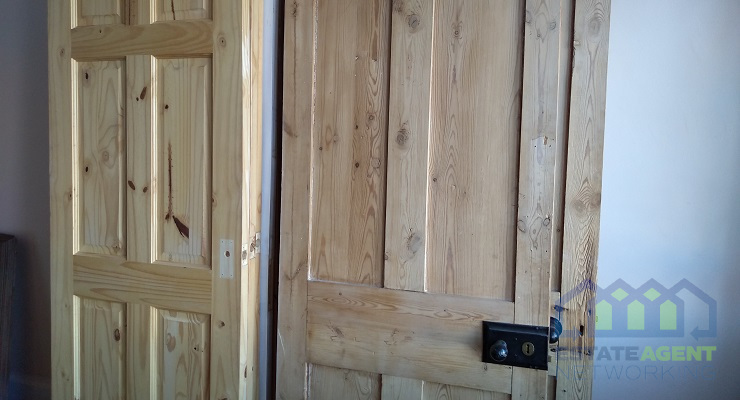
Many property buyers dream of owning a Georgian townhouse, Victorian villa, Art Deco apartment or other stylish period building.
Period homes not only satisfy people’s desire for an authentic link with the past and their local community’s heritage, they are invariably larger than post-war properties. That’s why period properties command premium prices, according to London property specialist Plaza Estates.
One of the most appealing aspects of living in a period building is its original features.
The downside is Victorian and Edwardian homes account for a disproportionately high number of the essential repairs listed in mortgage valuations and survey reports, according to the Royal Institute of Chartered Surveyors.
Victorian builders were not averse to taking shortcuts and skimping on materials, which has resulted in ‘inherent defects’ developing in later life.
Pre-war window frames made from metal or wood can cause energy-sapping draughts if they are not maintained or the property is subject to movement, warns period replacement specialist YouChoose Windows.
Many owners of period properties are, therefore, faced with a dilemma. Should they try to restore any damaged and worn-out architectural assets or replace them?
Protect your property’s value
If you have a period feature that’s seen better days or is causing problems, you might be tempted simply to rip it out, dispose of it and put something new in its place, especially if you’re keen to give your property a makeover. But construction industry supplier ProSkips says the value of some items place in the skips used on domestic building projects is astounding. Art Deco fireplaces in good condition can sell for £2500, while even damaged examples are worth hundreds of pounds.
Not only that, preserving period features can go a long way to protecting the value of your home. You’ll also be helping to protect the property’s original structure, design and character.
Seek specialist help
When you’re aiming to preserve an original feature in your property, you should always consult conservation experts. The Society for the Protection of Ancient Buildings, for example, is a charity that offers advice, publications and training to period homeowners who want to find out how best to look after their properties.
What’s more, it’s important to enlist the help of a restoration specialist rather than attempting the work yourself, especially on a large or complex project. Remember to check the specialist’s credentials thoroughly and request photos of previous projects; you need to feel confident that the work will be completed to an excellent standard. After all, botched restoration work could destroy the period feature in question altogether.
Of course, there are times when it’s simply not possible to rescue part of a period home. If an expert examines your aging enamel bath, for instance, and advises you that it can’t be saved, try to replace it without undermining the building’s character.

You May Also Enjoy

Gap between house prices and earnings narrows

New Scheme Could Double Solo Buyer New-Build Options

Annual house price growth halves in September

Homesellers say valuation appointment is key
London’s rental market bucks the national trend