Plumbing Red Flags Every Homebuyer Should Watch Out For
Buying a home is one of the most significant investments a person can make. While factors like location, square footage, and curb appeal often steal the spotlight, what’s hidden behind the walls is just as important—especially the plumbing. Overlooking plumbing issues during the home-buying process can lead to costly surprises down the road. That’s why it’s crucial for homebuyers to understand the most common plumbing red flags and how they can affect the value and safety of a property.
Why Plumbing Matters in a Home Purchase
Plumbing systems are integral to daily living—delivering clean water and safely removing waste. But they can also be the source of hidden damage. A small leak can indicate major corrosion, aging infrastructure, or poor workmanship. If these problems go unnoticed during a home inspection, new homeowners could face thousands of dollars in repairs.
Moreover, plumbing issues can influence a home’s insurability, energy efficiency, and resale value. Even a minor clog or moisture patch may be a symptom of something more serious.
Common Plumbing Red Flags in Older and Newer Homes
1. Low Water Pressure
Low water pressure may seem like a minor annoyance, but it can signal deeper issues such as pipe corrosion, sediment buildup, or leaks. If multiple fixtures have poor pressure, the main supply line could be compromised. This is often seen in older homes with galvanized steel pipes, which rust over time and reduce flow.
2. Visible Water Stains or Dampness
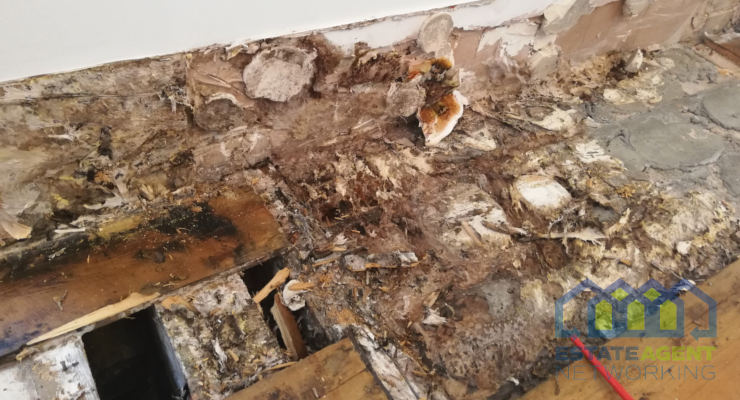
Brown or yellow stains on ceilings, walls, or floors are red flags. They often indicate past or ongoing leaks that may have already caused structural damage or mould growth. Buyers should ask whether these have been addressed professionally or merely painted over.
3. Outdated or Mismatched Piping
Take note of the types of pipes visible in the basement or utility areas. Materials like polybutylene or lead can be problematic. Polybutylene is prone to failure and may not be insurable in some regions. Lead pipes, on the other hand, pose serious health risks. Mismatched piping—such as copper joined to galvanized steel—can also cause corrosion at the joints, leading to leaks.
4. Slow Draining Sinks or Tubs
Persistent drainage issues can indicate more than just hair in the trap. They may be signs of deteriorating sewer lines, bellied pipes, or tree root intrusion. If multiple drains are sluggish, this could mean there’s a problem in the main sewer line.
5. Unusual Odours
A sulphuric or sewage-like smell is more than unpleasant—it’s often a warning sign. These odours typically come from venting issues, clogged drains, or broken sewer lines. If the smell lingers even after cleaning, it may require a professional inspection.
6. Noisy Pipes
If the plumbing system bangs, rattles, or vibrates when in use, it could mean unsecured pipes or water hammer issues. These noises might not seem serious at first but can lead to burst pipes or damaged fittings if left unaddressed.
How to Identify Hidden Issues During a Home Tour
Even without professional training, buyers can perform a basic plumbing check during an open house or showing. Run all faucets to test water pressure and drainage speed. Flush toilets to check performance and listen for any gurgling. Peek under sinks for signs of leaks, rust, or mould. Smell for odours around bathrooms, kitchens, and basements. If anything seems off, it’s worth consulting experienced plumbers before making an offer.
The Value of a Professional Plumbing Inspection
While general home inspections cover many systems, they may not detect all plumbing issues—especially those underground or hidden within walls. Hiring licensed plumbers to perform a focused inspection can provide peace of mind. Many professionals offer video pipe inspections, pressure testing, and other diagnostic services that go beyond a surface check.
This step is especially important in competitive markets where buyers may be tempted to waive conditions. Skipping a plumbing inspection can save time in the short term but lead to regrets in the long run.
Repair Costs and Their Impact on Negotiations
Plumbing repairs can be surprisingly expensive. Replacing a sewer line can cost several thousand dollars. Repiping a house is even more. If red flags are found before closing, buyers may be able to negotiate a reduced purchase price, request that repairs be made, or choose to walk away from the deal altogether.
Understanding the true state of the plumbing system empowers buyers to make informed financial decisions and avoid post-purchase stress.
Conclusion: Don’t Let Plumbing Problems Drain Your Investment
A dream home can quickly become a nightmare if serious plumbing issues lurk beneath the surface. By learning to spot red flags and partnering with qualified plumbers for professional assessments, homebuyers can protect their investment, ensure safety, and gain long-term peace of mind.
After all, while chipped paint and worn flooring are easy fixes, damaged pipes and faulty drainage systems can pose costly and disruptive challenges. Paying attention to plumbing during the home-buying journey is not just a smart move—it’s essential.

You May Also Enjoy
Seven things to do if a tree damages your property

Leasing demand rises across all sectors
Don’t Put The Property Market On Pause
Before You Sign: 10 Things Home Movers Wish They Knew

Property expert warns homeowners to lock in amid mortgage rates uncertainty