


Prime London property stock falls 3.4% in Q3
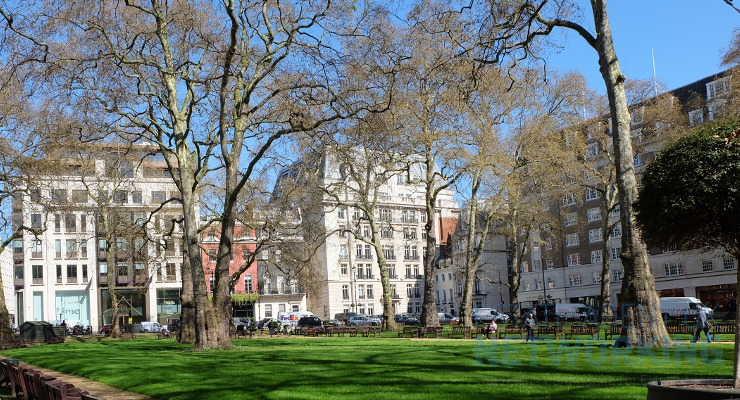
The latest Prime Central London Stock Index by Benham and Reeves has revealed that the number of properties listed for sale at £2m or above fell by -3.4% during the third quarter of 2026, leaving 3,778 prime homes on the market. While Kensington, Notting Hill and Chelsea recorded modest increases in available stock, several established prime locations saw notable quarterly declines, including Fitzrovia, Marylebone, and Mayfair. The research also found that prime properties account for more than a third of all homes listed for sale across the markets analysed, rising to almost three-quarters in Mayfair.
The Prime Central London Stock Index by Benham and Reeves analyses the snapshot number of properties listed for sale at an asking price of £2m or above across 14 prime London locations during Q3 2026. The research examines quarterly changes in available listings stock and the proportion of all properties for sale in each area that fall within the prime price bracket.
Prime market (£2m+)
The latest index shows that the number of prime London properties available for sale stood at 3,778 in Q3 2026, down -3.4% compared with the previous quarter. Despite the overall decline, stock movements varied considerably between locations, with three of the 14 markets recording quarterly increases.
Kensington had the largest volume of prime properties available for sale, with 698 homes listed at £2m or above. Chelsea followed with 543 properties, ahead of Knightsbridge (357), Marylebone (298), Victoria (292) and Notting Hill (270). At the other end of the scale, Maida Vale had the smallest prime housing stock, with 58 properties listed, followed by Regents Park (74) and Fitzrovia (81).
In terms of quarterly stock movements, Kensington recorded the largest increase, with available prime properties rising by 5.0%. Notting Hill also saw an increase of 2.3%, while Chelsea recorded a more modest uplift of 0.9%. These were the only three locations to register positive quarterly stock growth among the 14 markets analysed.
Elsewhere, the number of prime properties available for sale declined across 11 locations. Fitzrovia recorded the sharpest fall, with available stock down -16.5%, followed by Marylebone (-13.4%), Mayfair (-13.3%), Pimlico (-12.8%), and Victoria (-9.9%). Regents Park also saw a notable reduction of -6.3%, while St John’s Wood recorded a decline of 3.4%.
The figures highlight a varied picture across London’s prime property market, with the overall reduction in available stock driven by falls across the majority of locations, while Kensington, Notting Hill and Chelsea moved in the opposite direction.
Prime properties as a proportion of all listings
The research also examined the proportion of each area’s total available housing stock listed for sale that is priced at £2m or above. Across all 14 locations, prime properties accounted for an estimated 34.5% of the 10,952 homes available for sale.
Mayfair had the highest concentration of prime properties, with 73.3% of all homes listed for sale falling within the £2m-plus bracket. Knightsbridge followed at 68.8%, ahead of Belgravia at 57.9%. Chelsea (40.0%) and Kensington (39.7%) were the only other locations where prime properties accounted for around two-fifths or more of all available listings.
At the other end of the scale, Maida Vale had the lowest proportion of prime properties, at 7.4%, followed by Pimlico at 15.5% and Notting Hill at 24.0%. St John’s Wood (26.7%), Fitzrovia (30.5%), and Holland Park (30.9%) also had prime stock accounting for less than a third of all properties listed for sale.
The findings underline the differing composition of London’s prime property markets. While locations such as Mayfair, Knightsbridge, and Belgravia have a particularly high concentration of homes listed at £2m or above, other areas have a broader mix of properties across different price brackets.
Marc von Grundherr, Director of Benham and Reeves, commented:
“The third quarter has highlighted the varied nature of London’s prime property market, with available stock falling overall but individual locations moving in very different directions.
What’s particularly interesting is the contrast between markets such as Kensington, Notting Hill, and Chelsea, where the number of prime listings increased, and areas including Mayfair, Marylebone, and Fitzrovia, where stock contracted more sharply. This reinforces the importance of looking at local market conditions rather than treating prime London as a single, uniform market.
The proportion of properties priced at £2m or above also varies significantly across the capital. In Mayfair and Knightsbridge, prime homes account for the majority of all available listings, whereas in areas such as Maida Vale and Pimlico, the market encompasses a much broader range of price points.
For buyers and sellers alike, understanding these local differences is essential. The number of homes available, as well as the type of property on offer, can vary substantially from one neighbourhood to another, making local market knowledge particularly valuable when deciding how and where to transact.”

You May Also Enjoy
Prime London property stock falls 3.4% in Q3

When a chain breaks: how bridging can keep a sale moving
Four in ten homes see asking price reduced

Breaking Property News 19/10/26

Mixed signals in UK construction as contract awards rise, but starts fall