Renovating Rental Properties: How to Reduce Costs, Attract the Best Tenants, and Increase Profits Without Unnecessary Investment
Renovation is where many landlords either make or lose their competitive advantage. Spend too little and the property sits empty or attracts unreliable tenants. Spend without strategy and you eat into years of projected profit on upgrades tenants never notice. The sweet spot lies in understanding what drives tenant decision-making and directing every pound toward those specific things.
That is precisely where working with an experienced renovation contractor pays dividends. Companies like SV Projects, which specialise in comprehensive refurbishments for rental and investment properties, bring end-to-end expertise that helps landlords avoid costly mistakes — managing everything from initial planning through to final fit-out, on budget and on schedule. For landlords who want results without coordinating multiple trades, that full-service approach is often the most cost-effective route.
The Landlord’s Renovation Mindset: ROI Over Aesthetics
The first shift required is a mental one. Renovating a rental is categorically different from renovating your own home — personal taste is largely irrelevant. What matters is return on investment: which improvements let you charge more rent, fill faster, and spend less on maintenance. A £500 investment reducing void period by two weeks pays back immediately. A £3,000 kitchen upgrade adding £75 per month to rent breaks even in 40 months. Run the numbers before committing to anything.
Where to Spend: The High-Impact Renovation Priorities
Kitchens and bathrooms most directly influence tenant choice and achievable rent. You do not need luxury finishes — but both must feel clean, modern, and functional. In a kitchen, the highest-value upgrades are new cabinet doors and worktops rather than replacing entire units, a new sink and tap, and updated appliances. This approach can transform a dated kitchen for £800–£2,000 rather than £8,000+ for a full replacement, while achieving a very similar result.
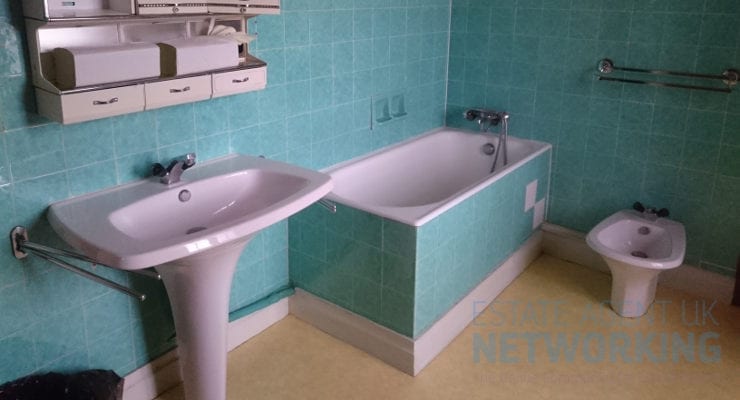
Bathrooms follow similar logic. Replacing a tired suite entirely is rarely necessary — re-enamelling a bath, a new toilet seat, replacing taps, and re-grouting tiles can refresh the space at a fraction of the cost. Where budget allows, a new shower enclosure makes a meaningful difference to both appearance and tenant satisfaction. These targeted interventions typically cost £500–£1,500 and have an outsized impact on first impressions.
Flooring and Walls: The Highest Visibility, Lowest Cost Upgrades
If there is a single renovation category delivering the most value per pound, it is flooring. Replacing worn carpets with luxury vinyl tile in living areas modernises a property instantly and is far easier to clean between tenancies. Quality LVT installs for £15–£25 per square metre. In bedrooms, carpet remains popular and cheaper. A full repaint in a neutral palette completes the transformation — scuffed walls and tired colours create an impression of neglect disproportionate to the actual condition of the property, and a freshly painted home photographs better, views better, and lets faster.
Reducing Ongoing Costs: The Investments That Pay Themselves Back
Not all renovation spending is about aesthetics. Upgrading to a combi boiler, improving insulation, and fitting double glazing reduce energy consumption, lower damp risks, and improve your EPC rating — increasingly important for compliance and tenant appeal. Timer-controlled extractor fans prevent moisture build-up and mould problems that generate ongoing maintenance costs. These unglamorous upgrades can save thousands over a five-year letting period.
Attracting Better Tenants: The Detail That Makes the Difference
The quality of tenant you attract is directly related to the quality of the product you offer. A well-presented property draws tenants who take pride in where they live, pay on time, and report issues promptly — and those tenants are worth considerably more over time than any rent premium alone suggests.
Small details matter disproportionately at the viewing stage: working door handles, clean switches, freshly sealed kitchen edges, a tidy garden, and good external lighting all signal a landlord who manages the property seriously. Professional listing photographs after renovation expand your applicant pool and let you be selective.
Where Not to Spend — and How to Know Your Ceiling
High-end appliances in a mid-market rental are unlikely to achieve higher rent. Bespoke joinery, premium tiles, and designer fittings will not be reflected in what tenants pay. The guiding principle is straightforward: renovate to the standard of the market you are targeting, not above it. Understand the achievable rent ceiling, spend accordingly, and a property that is best in class at its price point will always outperform one that has been over-improved for its location.
Conclusion: Renovate With Purpose
The most profitable rental property renovations are not the most expensive — they are the most considered. A strategic approach that prioritises high-visibility improvements, reduces long-term maintenance costs, and presents the property to its target market honestly will consistently outperform both under-investment and unfocused spending. Know your numbers, know your market, and renovate with a clear return on investment in mind. That discipline is what separates landlords who thrive from those who merely survive.

You May Also Enjoy

Renting an Apartment for Streaming and Gaming: What to Check Before Paying the Security Deposit

London rents outperform property values

Rental property availability falls
Average advertised rents surpass £1,400 for the first time

Barclays unlocks wider mortgage access for company directors