Tenants require Insurance following recent Research
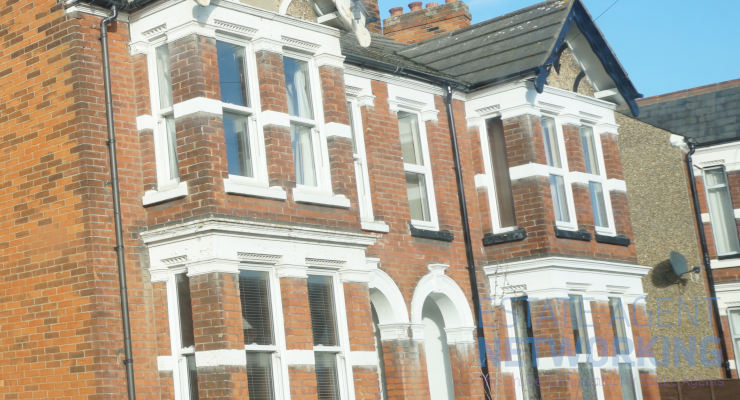
According to recent research, a third of people who rent in the UK have no home insurance and assume their landlord’s insurance covers them too. However, this is not the case. While there are instances where insurance taken out by landlords is enough to account for damage to the property, it’s possible that a tenant can be liable.
Whether you’re a tenant who is trying to work out what cover you need or you’re a landlord or letting agent providing advice for those who are renting a property, it’s important to understand the significance of tenants taking out a policy.
Understand Home Insurance for Landlords
Before you can understand insurance that tenants need, it’s worth taking some time thinking about the cover that landlords need to invest in.
Although home insurance isn’t a legal requirement, it’s usually something that’s needed in order for landlords to take out a mortgage on their rental property. Most landlords will have some form of basic cover and they may opt to take out dedicated landlords insurance too, in order to add a further layer of protection for their investment.
Tenants Liability Cover Explained
For tenants who are about to move into a property, it’s possible that their tenancy agreement will state that they are liable for damage to their landlord’s furniture, fixtures and fittings in the property. Checking through the agreement carefully is recommended so tenants understand what they could be charged for.
To protect them should any damage take place, there is dedicated cover on offer from a range of insurers. Tenants liability insurance covers a tenant’s legal liability for up to a certain amount and different providers will offer a range of add-ons that can be useful if there are certain stipulations in the tenancy agreement.
Landlords understand that accidents happen, and this type of cover ensures the tenant is insured if they could be held responsible and saves them getting a surprise bill.
Why Tenants Liability Cover is Different
The main difference between insurance that landlords take out and tenants liability cover is liability. Landlords are responsible for maintaining a safe and sound property for their tenants, as well as repair work to things like the electrics and plumbing. The insurance they take out covers them should a pipe burst or the roof get damaged, for example.
Tenants, on the other hand, have to treat the property in a ‘tenant-like way’, so this means maintaining the property and avoiding any damage. Their liability cover insures them if accidental damage takes place.
Do Your Research
To avoid taking the risk by not being covered, tenants should take out a policy. As well as giving peace of mind, it fills the insurance gaps left by the type of cover landlords have.
Price comparison sites like Compare the Market have all the latest offers and offer at-a-glance guides to some of the best-value policies for tenants.

You May Also Enjoy

Gap between house prices and earnings narrows
New Scheme Could Double Solo Buyer New-Build Options

Annual house price growth halves in September

Homesellers say valuation appointment is key
London’s rental market bucks the national trend