


The £2m Mansion Tax, ‘Renting for Now’, and Life Under the Renters’ Rights Act
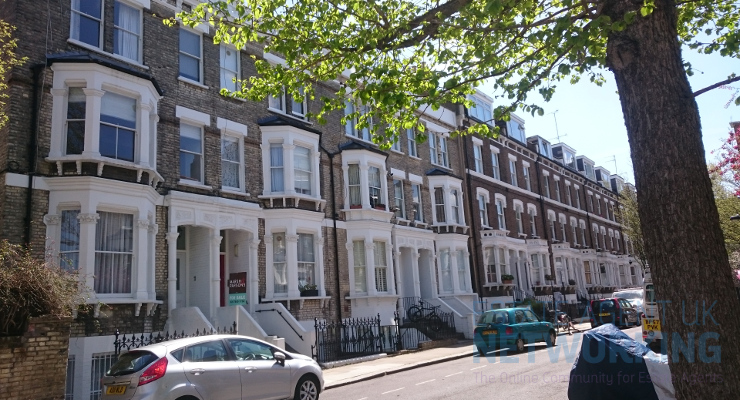
Leading estate agency Winkworth has released its Autumn Report on Prime Central London, highlighting the key trends that shaped the third quarter of 2026. The report provides exclusive analysis of how the incoming High Value Council Tax Surcharge, the so-called Mansion Tax, is already influencing pricing around the £2 million threshold, and how the market responded this summer to speculation surrounding a lower £1.5 million threshold, which the Chancellor has since ruled out. It also explores why some prospective buyers are ‘Renting for Now’, and how the Renters’ Rights Act has influenced landlord and tenant behaviour during its first full quarter in effect.
Prime Central London experienced a quieter third quarter, with deal activity across Winkworth’s prime offices falling to its lowest level in 18 months. This reflected wider market trends, with LonRes data showing that agreed sales across London’s prime market in early October were running almost a third below the same period last year. Buyers who did commit were able to negotiate strongly, with the average property achieving 94% of its final asking price and only one in eight homes selling at or above asking price, half the proportion recorded a year earlier.
However, Mohammad Copley, Insights Manager at Winkworth, reports that discussion surrounding the Mansion Tax had one of the most significant impacts on the Prime Central London market this quarter.
Mohammad Copley, Insights Manager at Winkworth, comments: “The Mansion Tax does not come into force until 2028, but our data shows the market began adjusting to it within months of the announcement. Since then, asking prices across the £2 million threshold have been affected in our Prime Central London offices.
“Furthermore, this summer, while a £1.5 million threshold was only under discussion, price reductions around that level also accelerated. The Chancellor has since ruled out that proposal, but the lesson remains the same: the market responds to change quickly, long before anyone has to pay it, and sometimes before it even exists.”
Where the Line Falls
From April 2028, homes valued at £2 million or more will be subject to an annual surcharge of at least £2,500, based on a 2026 valuation. While the tax remains around 18 months away, Winkworth’s analysis shows its impact on pricing is already being felt. The proportion of price reductions taking an asking price below the £2 million threshold nearly doubled following the surcharge’s announcement, with the majority occurring during the spring, suggesting that much of the market recalibration around this level has already taken place. Transactions agreed just above £2 million have also proved more fragile, with some sales falling through before ultimately being agreed at prices below the threshold.
In addition, summer speculation that the threshold could fall to £1.5 million saw price reductions around that level more than double, demonstrating how quickly the market reacts to potential tax changes. The lower threshold has since been ruled out, but the episode demonstrated just how sensitive pricing can be to even proposed market conditions.
Winkworth’s agents report that, for most buyers, the surcharge is an additional cost to consider rather than a deal-breaker. Nonetheless, around the £2 million mark, it is clearly influencing decision-making.
Renting for Now
The lettings market, however, told a very different story this quarter. For every buyer registering with Winkworth’s prime offices, more than three prospective tenants registered, up from two in the previous quarter, highlighting the continued demand for rental homes across Prime Central London.
This leads us to the concept of ‘Renting For Now’, as many of this quarter’s tenants are buyers in all but name, choosing to rent while they monitor the sales market, with many suggesting an intendion to buy next year. They have been joined by families based outside London who are renting a city base for children at university rather than purchasing one. Across Prime Central London, lets above £3,000 per week reached a record high over the past year.
Meanwhile, owners who are unable to sell, or simply prefer not to for the time being, are increasingly turning to the lettings market, with requests for lettings valuations rising by around a quarter compared to a year earlier. Landlords are not leaving the market either: across spring and summer combined, new rental instructions matched last year’s level.
Life Under the Act
It is positive that few landlords are exiting the market, but it seems the Renters’ Rights Act has already begun to influence behaviour on both sides of the market during its first full quarter in force. Winkworth’s Notting Hill team reports that many landlords now request a sales valuation whenever a tenant serves notice, reflecting the fact that a new tenancy cannot be ended for the purposes of a sale within its first 12 months.
Below the £100,000 annual rent threshold, short lets have lost much of their premium now that tenants can give two months’ notice. Above that threshold, where the new rules do not apply, the proportion of new lets agreed through Winkworth has nearly doubled since May. Meanwhile, rents continued to rise in areas where high-quality stock remained in short supply, with Pimlico in particular confirming record rental values.
What Sells Now
So, what is selling now? It seems that although the rental market is strong, sales demand has not disappeared, but buyers are taking longer to commit. Viewings were down just 7% year-on-year, yet it took an average of seven and a half viewings to secure a sale, compared with five a year earlier. Much of the backlog of long-listed stock has now cleared, with 71% of homes sold exchanging within a year of coming to market. Larger properties also accounted for a greater share of activity, with nearly one in four sales involving homes with three or more bedrooms, up from fewer than one in ten a year ago. Investor interest is also beginning to return in some areas, as buyers recognise value following recent price adjustments.
Looking Ahead
With the Chancellor reportedly ruling out lowering the Mansion Tax threshold to £1.5 million, the £2 million threshold now appears set to remain in place when he delivers his first Budget on 28 October. Attention is also continuing to focus on other potential changes, particularly around Capital Gains Tax and National Insurance on rental income.
Borrowing costs are likely to be just as influential as tax policy, with markets now anticipating that the Bank of England’s next move could be an increase in rates. For buyers in a position to act, however, market conditions remain favourable, with scope for negotiation and values still well below previous peaks. Encouragingly, the rate of price declines across Prime Central London is now beginning to moderate.
Reflecting on the report, CEO of Winkworth, Dominic Agace said: “Autumn, once a hive of activity after the summer holidays, is quieter than usual as thoughts remain focused on the impending October Budget.
“A successful Budget would be ‘property light’, focusing little on property taxes and reassuring the markets that the UK economy is on a sustainable path to growth, so that swap rates, and consequently mortgage rates, rise no higher. Ruling out a lower £1.5m threshold for the Mansion Tax was definitely the right decision: it would have caught many families with significant mortgages living in terraced Victorian houses in the South East, and knocked buyers’ confidence in these homes going forward.”

You May Also Enjoy

Mixed signals in UK construction as contract awards rise, but starts fall

Estate Agents Brace for Rising Compliance Costs
The £2m Mansion Tax, ‘Renting for Now’, and Life Under the Renters’ Rights Act

Rightsizing Revisited: Homeowners seek £100k profits from downsizing

Renting an Apartment for Streaming and Gaming: What to Check Before Paying the Security Deposit
