The buy-to-let markets where rental yields have lifted since the tenant fee ban
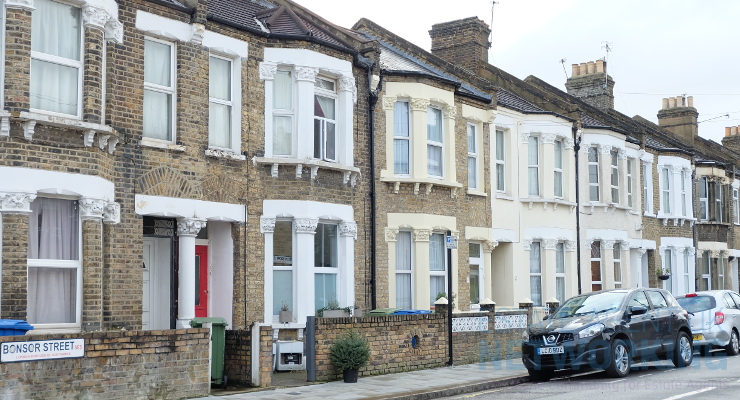
The latest research by leading lettings management platform, Howsy, has looked at which pockets of the buy-to-let market have seen the biggest uplifts in rental yields since the tenant fee ban came into force as part of the Tenant Fees Act 2019 back in June of last year.
Howsy looked at the average rental yield by area based on house price and rent since the ban came into force and how this compared to rental yields over the same time period prior to the ban to see which areas of England have enjoyed the biggest uplift.
Many predicted the ban on tenant fees would dampen the financial return available to the nation’s landlords and on a top level this seems to be the case, albeit only marginally. Across England rental yields since the ban have averaged 4.08%, -0.13% lower than the same time period previous to its implementation.
London has seen the largest decline, with rental yields -0.18% lower since June of last year, although the South West has seen a slight uplift (0.06%), while the South East region has seen yields remain static.
But not everywhere has seen such stagnant movement and when looking regionally there are green shoots of positivity to be found for buy-to-let investors.
Newcastle-under-Lyme has seen the most positive movement since the ban, with the average rental yield now at 5.01%, an increase of 0.49%. Exeter has also seen a notable improvement with yields increasing by 0.42%, while Westminster (0.37%), Oxford (0.34%), South Oxfordshire (0.33%), Chiltern (0.33%), the City of London (0.33%) and Plymouth (0.30%) have all seen yields increase at a rate of 0.30% or more.
Within the boundaries of the capital, Camden (0.13%), Bexley (0.10%) and Sutton (0.09%) have also seen some of the most positive changes in the rental yields available.
Founder and CEO of Howsy, Calum Brannan, commented:
“It was widely believed that the ban on tenant fees would be the final nail in the buy-to-let coffin for many landlords but while top line profitability seems to have stuttered slightly, the sector is far from collapsing.
In fact, the resilient nature and diverse landscape of the UK rental sector means there are plenty of pockets that have actually seen yields improve and while this growth may only be marginal at present, it is a very positive sign given the short time scale.
As with all investments, the buy-to-let sector is all about knowing the market and picking the right options and if you do, bricks and mortar remain a very sound investment.”
|
Regional change in rental yield change since the tenant fee ban
|
|||
|
Location
|
Rental Yield – Before Tenant Act
|
Rental Yield – After Tenant Act
|
Change in rental yield (pre and post Tenant Act)
|
|
ENGLAND
|
4.21%
|
4.08%
|
-0.13%
|
|
SOUTH WEST
|
3.71%
|
3.77%
|
0.06%
|
|
SOUTH EAST
|
3.68%
|
3.68%
|
0.00%
|
|
WEST MIDLANDS
|
4.24%
|
4.23%
|
-0.01%
|
|
EAST OF ENGLAND
|
3.58%
|
3.56%
|
-0.02%
|
|
EAST MIDLANDS
|
3.90%
|
3.85%
|
-0.06%
|
|
NORTH WEST
|
4.51%
|
4.45%
|
-0.07%
|
|
YORKSHIRE AND THE HUMBER
|
4.54%
|
4.46%
|
-0.08%
|
|
LONDON
|
4.44%
|
4.26%
|
-0.18%
|
|
NORTH EAST
|
5.13%
|
4.88%
|
-0.25%
|
|
Areas with the highest rental yield change in England since the tenant fee ban
|
|||
|
Location
|
Rental Yield – Before Tenant Act
|
Rental Yield – After Tenant Act
|
Change in rental yield (pre and post Tenant Act)
|
|
Newcastle-under-Lyme
|
4.52%
|
5.01%
|
0.49%
|
|
Exeter
|
4.57%
|
4.99%
|
0.42%
|
|
Westminster
|
3.52%
|
3.89%
|
0.37%
|
|
Oxford
|
4.03%
|
4.37%
|
0.34%
|
|
South Oxfordshire
|
3.18%
|
3.52%
|
0.33%
|
|
Chiltern
|
2.79%
|
3.12%
|
0.33%
|
|
City of London
|
3.51%
|
3.84%
|
0.33%
|
|
Plymouth
|
3.85%
|
4.15%
|
0.30%
|
|
Doncaster
|
4.43%
|
4.65%
|
0.22%
|
|
Norwich
|
4.57%
|
4.77%
|
0.20%
|
|
Bristol, City of
|
4.62%
|
4.82%
|
0.20%
|
|
West Oxfordshire
|
3.64%
|
3.84%
|
0.20%
|
|
Runnymede
|
3.51%
|
3.71%
|
0.20%
|
|
Bournemouth
|
4.01%
|
4.20%
|
0.19%
|
|
Forest Heath
|
5.41%
|
5.60%
|
0.19%
|
|
Areas with the highest rental yield change in London since the tenant fee ban
|
|||
|
Location
|
Rental Yield – Before Tenant Act
|
Rental Yield – After Tenant Act
|
Change in rental yield (pre and post Tenant Act)
|
|
Westminster
|
3.52%
|
3.89%
|
0.37%
|
|
City of London
|
3.51%
|
3.84%
|
0.33%
|
|
Camden
|
3.48%
|
3.60%
|
0.13%
|
|
Bexley
|
3.84%
|
3.94%
|
0.10%
|
|
Sutton
|
3.64%
|
3.73%
|
0.09%
|
|
Havering
|
3.75%
|
3.83%
|
0.08%
|
|
Croydon
|
3.66%
|
3.72%
|
0.06%
|
|
Hillingdon
|
3.71%
|
3.74%
|
0.03%
|
|
Newham
|
4.68%
|
4.70%
|
0.02%
|
|
Harrow
|
3.73%
|
3.74%
|
0.01%
|
|
Hammersmith and Fulham
|
3.46%
|
3.47%
|
0.01%
|
|
Haringey
|
3.36%
|
3.36%
|
0.00%
|
|
Wandsworth
|
3.80%
|
3.80%
|
0.00%
|
|
Waltham Forest
|
3.65%
|
3.63%
|
-0.02%
|
|
Enfield
|
4.03%
|
4.00%
|
-0.03%
|

You May Also Enjoy

Seven things to do if a tree damages your property

Leasing demand rises across all sectors

Don’t Put The Property Market On Pause

Before You Sign: 10 Things Home Movers Wish They Knew

Property expert warns homeowners to lock in amid mortgage rates uncertainty