


The Flats Above the Shop Problem
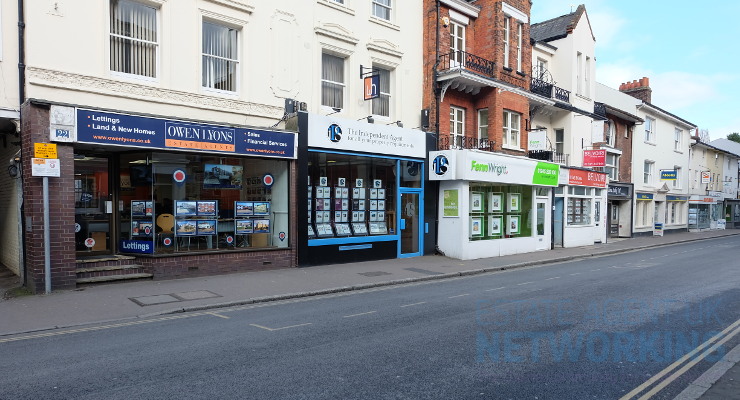
Why residential property hidden inside commercial ownership keeps causing trouble
By Adam Hills, Client Services Director, LRG Living Markets
Somewhere in many commercial property portfolios sits a small collection of front doors that was never really part of the plan. Many large and small retailers inherit residential property portfolios by default as part of mixed-use lease arrangements, creating a portfolio of residential assets alongside their core retail operations, or have purchased the entire freehold which by default gives them a residential portfolio.
While that helps explain why they can be overlooked, the fact remains that an accidental landlord is still a landlord.
Residential portfolios carry a disproportionate management burden
The difficulty is not that a single flat is inherently troublesome, but that residential management (especially for those not accustomed to it) has a relatively high minimum burden.
Whether the landlord owns two flats, twenty or two hundred, they still need to understand and engage with tenancy administration, rent collection, repairs, safety checks, deposit management, inspections, licensing and individual communication with residents. Owning two homes does not require two-hundredths of the systems and expertise needed to manage 200.
That said, scale helps spread those costs. Research by Paragon Bank demonstrates the correlation between portfolio size and yield: in 2024 landlords with 11 or more properties reported average yields of 6.9%, compared with 6.3% overall. That does not prove economies of scale on its own – larger landlords may buy different properties or operate in different markets – but it illustrates the wider advantage associated with professionalisation and scale.
Commercial property operates differently: an office, shop or industrial building might involve one occupier on a long lease with relatively infrequent interaction, but a flat is somebody’s home.
The RICS’s commercial property management in England and Wales guidance notes describes “considerable differences” between managing commercial and residential occupiers in mixed-use developments and points particularly to the greater statutory protection afforded to residential occupiers.
That distinction extends beyond regulation: a failed boiler, leak or broken lock is not simply a property-management job to the resident; it affects where they sleep, wash and live. They expect a quicker and more personal response than a commercial property team may be accustomed to providing.
Regulation has raised the stakes
The regulatory gap has widened further. Since 1 May the Renters’ Rights Act has changed how private residential tenancies operate, including moving assured tenancies onto a periodic basis and changing the processes landlords must follow. Alongside that sit deposit protection, gas and electrical safety, energy requirements, Right to Rent, HMO and selective licensing and the particular fire-safety considerations that can arise in mixed-use buildings. For a dispersed portfolio, some risks are local as well as national, with two similar flats in different council areas facing different licensing requirements.
The practical problem is often information. Homes acquired over many years may have different tenancy agreements, rent histories and compliance records. Files can sit with regional offices, commercial agents, solicitors or facilities teams. The owner may technically have 30 residential properties but operationally, it has 30 different histories.
The hidden cost of neglect
Unfortunately that fragmentation has a financial consequence, and that fragmentation, when it comes to properties owned by those who are primarily commercial landlords, is considerable: Government data shows that companies account for 15% of private tenancies in England despite making up only 6% of landlords, and that just over half of company landlords own five or more properties.
In my experience, incidental residential holdings can suffer from rents that have not been reviewed, avoidable voids, reactive maintenance and management costs that nobody has considered at portfolio level. An even more significant cost can sit outside the property accounts – if a property director, facilities team or legal department repeatedly has to intervene in repairs, complaints or arrears, a relatively insignificant rental asset can consume expensive senior time.
Furthermore, risk can also be disproportionate. A poorly handled repair in one flat can become a tenant complaint, regulatory issue or reputational problem for the organisation that owns it. If that flat sits above a commercial occupier, water damage, fire-safety problems or structural defects can also affect the more valuable asset below.
Treat the homes as a portfolio
The first question for any commercial property director is: do we know exactly what residential property we own and how it is performing? Centralising the information changes the picture. Rent, occupancy, arrears, repairs, compliance deadlines and capital requirements can be viewed across the estate rather than discovered property by property. Routine residential management can sit with specialists while the owner retains control over budgets, investment, disposals and strategy.
That creates opportunities as well as reducing risk, because some properties may be under-rented; others may justify refurbishment or reconfiguration, and vacant upper floors might have potential for residential use, subject to planning and other requirements. Some homes will prove strategically useful while others may be better sold.
Well-managed residential space can also support the commercial estate. Occupied homes above shops bring activity into town centres outside trading hours and can contribute to surveillance and a greater sense of community.
My – perhaps surprising – advice to commercial landlords is that not every incidental residential property should necessarily be retained. Instead, I would advise that retention or disposal should follow an assessment of income, cost, condition, risk and strategic value rather than years of passive ownership.
For property directors, the question is not whether a handful of flats justifies becoming a residential property business but whether those homes are being managed with the discipline that residential property now requires. If they are not, the wider estate is carrying avoidable cost and risk.

You May Also Enjoy
The Flats Above the Shop Problem

Buying Alone? What Solo Buyers Need to Know Before Making an Offer on a House

How to Make a New-Build Living Room Feel Less Like a Show Home

Mortgage Borrowing Dip

Autumn Budget 2026: Property industry reaction