Top Tips for Preventing Household Emergencies in Rented Properties
Household emergencies can strike at any time, often causing disruption, inconvenience, and even damage to a rental property. Both landlords and tenants have a shared responsibility to maintain the property and prevent emergencies. However, proactive measures can go a long way in minimising risks. Here, we outline top tips for preventing common household emergencies in rented properties, and helping landlords and tenants ensure a safe and functional living environment.
For those renting in Newark, estate agents in Newark often provide valuable advice on maintaining properties and avoiding emergencies, but a proactive approach by both parties is essential.
1. Regular Property Inspections
One of the most effective ways to prevent emergencies is through regular property inspections. Landlords should schedule routine checks to spot potential issues early. During these inspections, landlords can assess the condition of plumbing, electrical systems, and structural integrity, allowing for early intervention if problems are found. It’s also an opportunity to ensure that tenants are adhering to the tenancy agreement and not unintentionally causing damage.
For tenants, regular self-checks can help identify potential issues that might need attention before they turn into emergencies. Timely reporting of concerns to the landlord can prevent further damage and costly repairs.
2. Addressing Plumbing Concerns
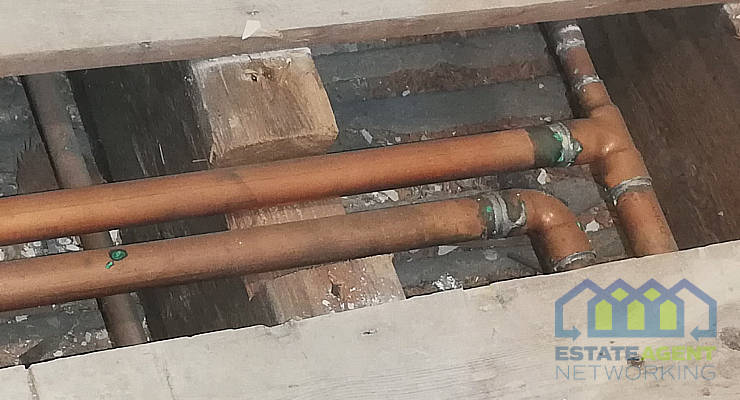
Leaks, blocked drains, and faulty plumbing systems can lead to significant water damage if left unresolved. A burst pipe or overflowing sink can quickly escalate into an emergency that may damage not only the rental property but also tenants’ belongings.
To prevent these issues:
– Ensure tenants are aware of how to turn off the main water supply in case of a leak.
– Landlords should periodically check plumbing systems, especially in older properties, and replace worn-out parts like washers and seals.
– Tenants can help by not disposing of grease, food, or other unsuitable materials down drains, which can lead to blockages.
If plumbing issues are addressed promptly, it reduces the risk of major water-related emergencies, saving time and money for both parties.
3. Electrical System Maintenance
Electrical faults are one of the most common causes of household fires. Preventing electrical emergencies in rented properties should be a top priority for landlords and tenants alike. Regular inspections of the property’s electrical system, including wiring, outlets, and appliances, are crucial.
Landlords should ensure:
– Electrical installations are up to date and in line with legal requirements.
– Portable Appliance Testing (PAT) is conducted on all electrical appliances provided as part of the tenancy.
– Any outdated or damaged wiring is replaced promptly.
Tenants, on the other hand, should avoid overloading sockets, using damaged appliances, or tampering with electrical systems. They should immediately report flickering lights, tripped circuits, or sparking outlets to the landlord, as these could be signs of more serious underlying issues.
4. Fire Safety Precautions
Fires can have devastating consequences, but many fire hazards can be prevented with proper precautions. Landlords are responsible for ensuring that all fire safety measures are in place and up to code. This includes:
– Installing smoke alarms on every floor of the property and testing them regularly.
– Providing fire extinguishers or fire blankets in high-risk areas such as kitchens.
– Ensuring the property has appropriate fire exits and escape routes that are clearly marked.
Tenants can contribute by:
– Not smoking inside the property.
– Keeping flammable materials away from heat sources.
– Testing smoke alarms periodically to ensure they are functioning.
Both landlords and tenants should be familiar with the fire safety plan for the property, ensuring that everyone knows what to do in case of an emergency.
5. Pest Control
Pests such as rodents, insects, or birds can cause structural damage, contaminate food, and pose health risks. Prevention is key to avoiding a pest infestation in a rented property.
Landlords should:
– Ensure the property is properly sealed, with no gaps around windows, doors, or foundations where pests can enter.
– Carry out regular cleaning and maintenance to prevent conditions that attract pests, such as dampness or piles of rubbish.
Tenants should:
– Keep the property clean and free of food debris that could attract pests.
– Report any signs of pests immediately so that action can be taken before an infestation occurs.
In Newark, many estate agents in Newark may recommend professional pest control services to ensure properties remain pest-free.
6. Heating and Ventilation System Care
Faulty heating systems can lead to cold homes, potentially affecting the health of tenants, while poor ventilation can result in dampness and mould growth, causing long-term damage to the property.
Landlords should:
– Arrange annual servicing of boilers and central heating systems to prevent breakdowns.
– Ensure the property is well-ventilated to prevent moisture build-up, which can lead to mould and damp issues.
Tenants should:
– Keep ventilation areas (such as vents or extractor fans) clear of blockages.
– Report any heating problems immediately to the landlord, especially in the colder months.
Addressing heating and ventilation issues early helps prevent emergencies that could leave tenants without heat during the winter or dealing with damaging mould growth.
7. Managing Damp and Mould
Damp and mould not only damage the property but can also pose serious health risks to tenants, especially those with respiratory issues. Mould thrives in areas with poor ventilation and high moisture levels, making it crucial for both landlords and tenants to tackle these problems proactively.
Landlords should:
– Check the property for signs of dampness during inspections, particularly around windows, bathrooms, and kitchens.
– Ensure the property has adequate ventilation, including extractor fans in bathrooms and kitchens.
Tenants can help by:
– Using extractor fans or opening windows after cooking or showering.
– Drying clothes outside when possible, rather than indoors.
– Reporting any signs of dampness or mould early to the landlord for prompt action.
8. Emergency Contact Information
In the event of an emergency, quick access to important contacts is essential. Landlords should provide tenants with a list of emergency contact numbers, including:
– The landlord or property manager.
– Emergency repair services (plumbing, electrical, heating).
– Local emergency services.
This helps ensure tenants can get assistance quickly, reducing the severity of potential emergencies. Similarly, tenants should keep this list readily available and update the landlord if their contact details change.
Conclusion
Preventing household emergencies in rented properties requires ongoing collaboration between landlords and tenants. By being proactive with regular inspections, maintenance, and repairs, both parties can avoid costly and disruptive emergencies. Estate agents in Newark can offer advice and support on best practices for property upkeep, ensuring that rental properties remain safe, functional, and enjoyable to live in.
Taking these precautions not only preserves the value of the property but also fosters a positive relationship between landlords and tenants, ensuring a safer, more secure living environment for all.

You May Also Enjoy

Gap between house prices and earnings narrows

New Scheme Could Double Solo Buyer New-Build Options
Annual house price growth halves in September

Homesellers say valuation appointment is key
London’s rental market bucks the national trend