Unveiling the Urban Shift: How EV Charging Networks are Reshaping City Dynamics
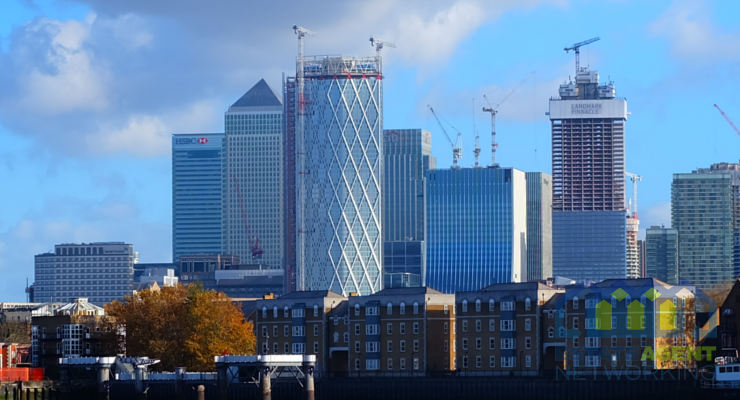
The transformation of urban landscapes is hardly a novel concept. From the industrial boom to the rise of skyscrapers, cities have always reflected the spirit of the times. Now, in the 21st century, as concerns about environmental sustainability reach fever pitch, we’re witnessing another revolutionary shift: the rapid proliferation of electric vehicle (EV) charging networks. But how exactly are these charging infrastructures changing city dynamics? Let’s dive in.
The Need for a Greener Tomorrow
With each passing year, the damaging effects of climate change become more apparent. Fossil fuels, a primary culprit behind greenhouse gas emissions, have been closely linked with urban pollution. It’s no surprise that metropolitans worldwide are pushing for green solutions, with EVs at the forefront of this movement.
According to a report by the World Economic Forum, cities account for over 70% of global CO2 emissions, emphasizing the need for change at an urban level.
Rise of the Electric Metropolis
With the rising adoption of EVs, there’s been an unequivocal need for expansive charging networks. City planners and innovators alike have realized that for EVs to become a mainstay, users need convenient charging solutions. Enter companies like Pro EV, ensuring that city dwellers and businesses have easy access to charging points. This push is not just about accessibility but also about creating a reliable ecosystem for electric vehicles.
Streets Lined with Possibilities
The surge in EV charging stations has transformed parking lots, malls, office spaces, and even residential areas. These aren’t just stations; they’re potent symbols of a society transitioning to more sustainable choices.
Economic Revitalization
Local economies are getting a boost, too. EV charging points, especially those located in commercial areas, have shown to increase foot traffic. As highlighted in an article by Clean Technica, consumers are likely to spend time shopping or dining while their vehicles charge, indirectly aiding local businesses.
Implications for City Infrastructure
While the EV revolution presents countless opportunities, it also poses unique challenges:
1. Grid Management: The power grids of yesteryears weren’t designed for a massive influx of EVs. Upgrading these grids is crucial to prevent outages and ensure consistent power supply.
2. Urban Planning: City planners now have to think about EV parking spaces, fast-charging zones, and ensuring that densely populated areas have sufficient charging points.
3. Tech Evolution: The technology behind EV charging is continually evolving. Keeping up with these changes, from faster charging solutions to smarter grid integrations, is imperative for cities to stay ahead.
Building a Community Around Charging
The rise of EV charging stations isn’t just about technology or convenience; it’s about community. As more people adopt EVs, there’s a burgeoning sense of camaraderie among users. Charging stations have become spots for social interactions, where tips are exchanged, and friendships are forged. It’s a testament to how infrastructural changes can influence social dynamics in unanticipated ways.
Conclusion: Driving Into a Sustainable Future
The urban shift towards comprehensive EV charging networks is not just a passing trend; it’s the bedrock for future cities. As metropolitans worldwide take meaningful steps towards a more sustainable future, EV charging points stand tall as beacons of hope, signifying a collective commitment to a greener, cleaner, and more connected world.

You May Also Enjoy

We’ve got the visitors. Now we need your listings.

Housing market hit by £18m increase in fall-through costs in Q2 2026

More than half of ‘Mumlords and Dadlords’ give rent back to help children buy their first home

The First-Time Buyer Reality Shock
£50k hit when climbing the property ladder