


What income do you need to buy a home? by Neil Parker, Leaders
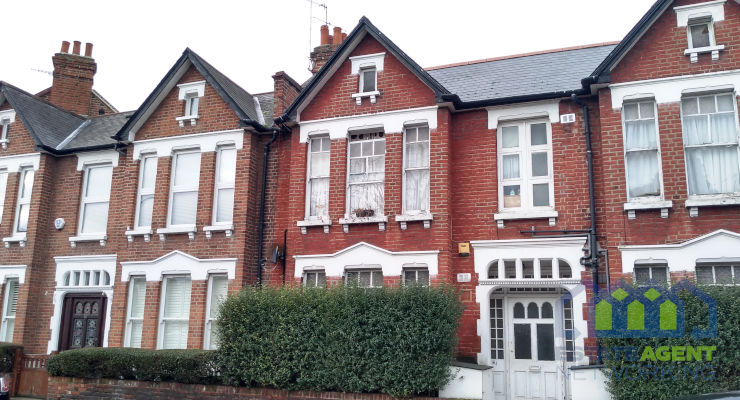
As property prices continue to increase, many people – particularly those who aren’t yet home owners – are concerned about whether they will be able to afford to buy or move home. While getting together a deposit is one part of affordability, the other is the level of income you have, which will the main factor in how much a lender will allow you to borrow.
Of course, the more deposit you have, the lower the income requirement is likely to be because you will be borrowing less. And the amount you need to borrow will also depend on the price of the property you’re buying. But, as a guide, here are some figures from a report published by Zoopla in June that revealed, on average:
- First-time buyers need a joint income of £60,600
- Existing home owners need a joint income of £72,600 to upsize
- Over the last year, the required income to buy has gone up by £2,400 for FTBs and by £3,400 for those upsizing
With the average UK household income standing at around £32,400 (ONS), this suggests that for those buying a home on their own it can be tough, while those buying with someone else have better affordability. Buyers in more expensive areas, such as London and Bristol, may find it even harder, as they will have to prove sometimes significantly higher earnings or other income.
GoCompare also carried out some research earlier this year that found you would need a pre-tax income of £53,913 to buy an average property – assuming a 10% deposit and a 5.5% mortgage interest rate. However, once this is broken down into the different types of property, these are the average earnings required:
- Flats £30,666
- Terraced £43,456
- Semi-detached £54,895
- Detached £86,633
So, if you don’t have these levels of income at your disposal, is there anything you do to reduce the amount you need to earn in order to buy a home?
Look at your local area – there will always be some that are expensive and some cheaper ‘than average’.
While you may not want to move far from where you currently live and/or work, the reality is that all these figures are based on ‘averages’ and local property markets tend not to match ‘average’ figures. If you want to get on the property ladder or need to upsize, do your own research online to find out what is available at your price point within a certain radius.
For example, the average price of a first home in the Midlands is under £200,000, meaning the income requirement is below £49,000 and homes in this region can be bought for less than £100,000, as they can in the North-East where a typical FTB home costs just £120,000, which you could afford with an income of around £29,000, but there are properties available that are much cheaper too.
There are also government schemes to help you on the ladder, such as Shared Ownership:
How Shared Ownership works
These are properties where you own a percentage – generally 25% or more – and pay rent on the rent. Buying into this kind of scheme could more than halve the amount you need to be earning, and you usually have the option to increase your stake in the property over time. That gives you much greater security of tenure than renting and allows you to build equity, relative to the percentage you own. You can see what sorts of properties are available through Shared Ownership on our sister company’s site, SOWN.
If you’re not sure about your affordability, our partners at Mortgage Scout have a simple mortgage calculator that can give you an idea of how much you could borrow, based on one or two incomes – try it out here.
And even if you don’t think you can afford to buy in a particular location, it’s well worth visiting local agents to discuss what’s for sale now, which sellers might be prepared to accept a lower offer, or what could be available in the near future. You can find contact details for your local branch here.

You May Also Enjoy

Leasing demand rises across all sectors
Don’t Put The Property Market On Pause
Before You Sign: 10 Things Home Movers Wish They Knew

Property expert warns homeowners to lock in amid mortgage rates uncertainty
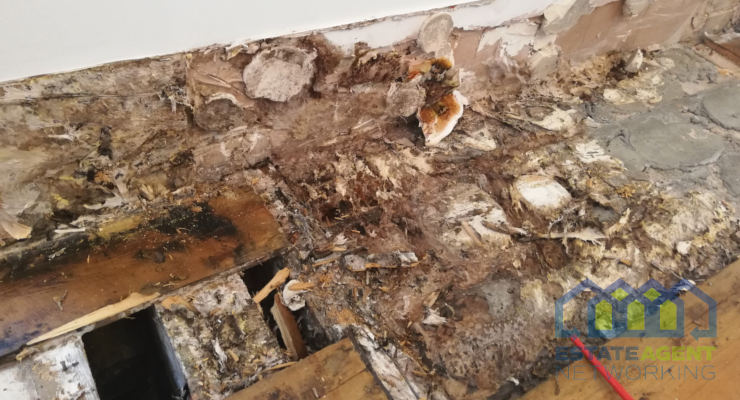
Damp and mould online searches rise by 34%