What You Need to Know About Getting an EPC In London
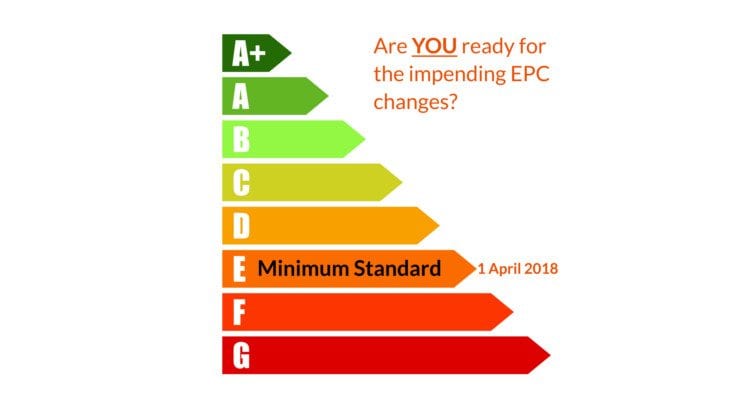
EPCs consider your property’s running costs, bills, and overall impact on the planet. Short for Energy Performance Certificate, it’s a rating system that tells you how energy-efficient a property is.
In London, these regulations are getting stricter to reduce carbon footprints and save money on energy bills. If you plan to rent or sell, that EPC rating might be the key to a successful transaction.
Stay with us, and we’ll explain what an EPC in London means and how to keep up with evolving standards.
What Is an Energy Performance Certificate (EPC)?
An Energy Performance Certificate (EPC) helps understand a property’s energy efficiency – and, by extension, its environmental impact and potential energy bills.
Rated from A (the most efficient) to G (the least), an EPC assesses the energy performance of buildings. This, in turn, gives property owners, buyers, and renters insight into running costs.
In the UK, it’s a legal requirement to rent or sell properties, with the goal of promoting more sustainable buildings.
Currently, EPCs have become central to the ongoing debate over energy policy, especially in London. In the previous year, Prime Minister Rishi Sunak scrapped the requirement for private rental properties to reach an EPC rating of C by 2028.
However, nearly 35% of homes aren’t even close to hitting a C rating, meaning higher bills and less energy efficiency for many Londoners.
The government requirement for all rentals to reach that C rating has ruffled some feathers.
Leonie Cooper of the London Assembly didn’t mince words, saying this rollback “forces greater costs onto renters” and overlooks the climate crisis altogether.
The city is now rallying to bring this requirement back, arguing that every Londoner deserves an affordable, energy-smart home.
During the assembly, Leonie Cooper AM mentioned, “Every Londoner deserves a safe and warm home to live in and should be protected from the soaring energy costs seen in the UK.
When Do You Require an EPC in London?
Knowing when to undertake an Energy Performance Certificate (EPC) assessment can save you from a headache.
It’s often the difference between a smooth property transaction and a costly delay. In London, an EPC is essential for most property transactions, whether you’re selling, renting, or managing a unique type of building.
Selling Your Property
If you’re planning to put your property on the market, you’ll need to have at least ordered an EPC before that “For Sale” sign goes up.
While there’s no minimum EPC rating required to sell, the certificate itself is a must-have for transferring ownership (whether it’s a straightforward sale or passing property to your family). Here it acts as an advisory tool to prospective buyers and can be a selling point if a property has been upgraded, as this will be reflected on the Certificate.
Renting Your Property
As a landlord, your property’s EPC rating can’t fall below an ‘E’ (unless you have a registered exemption).
This ensures potential tenants’ energy efficiency and lower bills. Skipping this requirement could result in fines of up to £2,000.
Also, if your property is newly built, recently converted, or has an increased number of units, you’ll need a special type of EPC called an SAP EPC.
This certificate evaluates energy efficiency based on new construction criteria.
Exemptions
Certain buildings don’t require an EPC, such as:
- Places of worship
- Low-energy sites like workshops or agricultural buildings.
- Temporary buildings used for less than two years
- Detached commercial buildings under 50m²
These exemptions recognise specific property uses that either don’t consume much energy or have unique operational needs.
How to Get an EPC In London?
Getting an EPC in London can feel like an uphill battle if you’re not familiar with the ins and outs. However, a skilled energy assessor can help you breeze through the process in no time.
To be official, your EPC needs to be completed by a Domestic Energy Assessor (DEA) approved by a government scheme. For instance, South London EPC employs DEAs-certified by recognised bodies like Elmhurst and Quidos.
Here’s how they keep things hassle-free:
- Property Visit. First, an expert assessor visits your place to get all the essentials. They measure room dimensions and take notes on everything from your heating systems to the type of insulation you’ve got. This detailed inspection ensures nothing is missed.
- In-Depth Assessment. Using the Reduced Standard Assessment Procedure (RDSAP), they analyse how well your property produces and retains heat and how it is lit. They then show you where your property is losing energy and how you can patch those leaks.
- Certificate and Public Access. After the assessment, your EPC is generated and registered on gov.uk. This is then publicly available via a postcode search and you can easily access it and share it with prospective buyers or tenants.
With South London EPC, the journey to getting your EPC doesn’t have to feel like a chore.
They go above and beyond to make sure you’re equipped with all the information you need to make your property energy efficient (and maybe even save a few quid on those energy bills).
The Risks of Skipping Your EPC
If you’re renting out a property without a valid EPC, or if your certificate rates below an ‘E,’ prepare for some serious red flags.
Your listing will be flagged on the EPC Register, turning your rental properties into a no-go zone.
For sales, lacking an EPC means your property transaction will hit a wall. Agents and solicitors simply can’t move forward without it. Further, the stakes are even higher if you’re dealing with commercial properties. You could be staring down fines of up to £5,000!
Buyers and tenants want reassurance that they’re not about to inherit hefty energy bills. So, keeping your EPC up to date means keeping your property competitive.
Getting an updated EPC in London will help to dodge any pitfalls and keep your standing in the market shining bright.
Conclusion
With energy efficiency becoming a priority for many tenants and buyers, having a valid EPC not only complies with legal requirements but also improves the marketability of your property.
If you find the EPC process daunting, South London EPC is here to simplify it for you. Their knowledgeable team can guide you through every step and help you understand the implications of your property’s energy performance.
Don’t let EPC concerns hold you back—partner with South London EPC today and eliminate the guesswork.

You May Also Enjoy

We’ve got the visitors. Now we need your listings.

Housing market hit by £18m increase in fall-through costs in Q2 2026

More than half of ‘Mumlords and Dadlords’ give rent back to help children buy their first home

The First-Time Buyer Reality Shock
£50k hit when climbing the property ladder