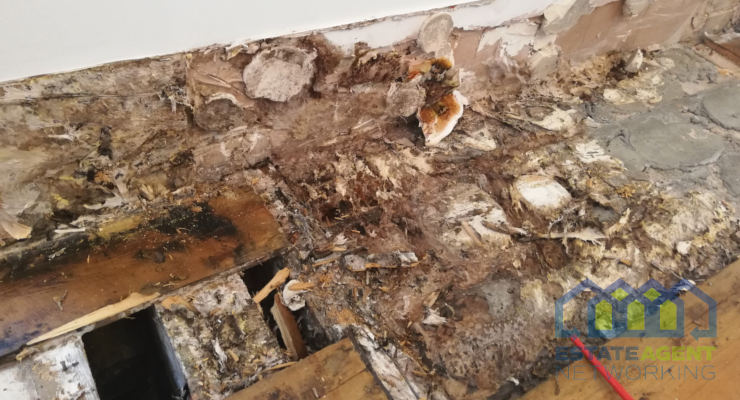
Buying a Home? What you need to know about asbestos
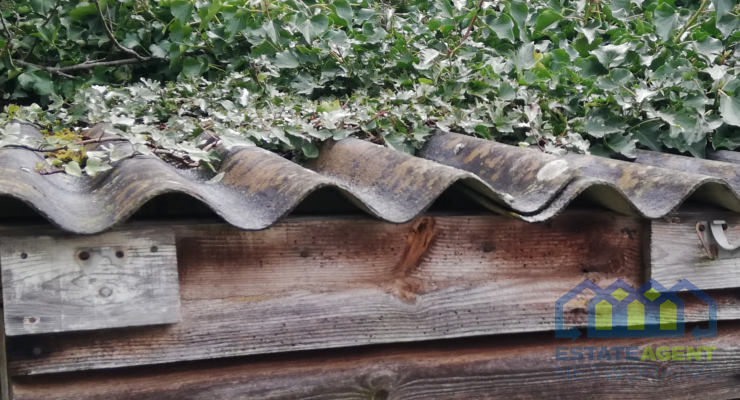
Asbestos is a well-known issue in UK housing – but while it’s rightly treated with caution, it doesn’t need to cause alarm. With the right advice and professional guidance, it’s a manageable problem that shouldn’t stand in the way of purchasing a dream home.
Used widely in construction until 1999, asbestos is often found in older homes – especially those built or refurbished between the 1950s and 1980s. The key is awareness and action – knowing what to look for, when to test, and how to deal with it safely.
To help buyers feel informed and in control, the experts at independent chartered building surveyors, Cheke & Co, share advice on how to recognise potential asbestos risks, how a RICS Home Survey can identify them early, and what to do next.
David Clifford-Smith MSc MRICS, Chartered Building Surveyor & Director at Cheke & Co, said: “Asbestos is something we encounter regularly during surveys. It’s not something to panic about but it’s important to be aware of it.
“With the right checks and advice, you can address it safely and sensibly, and by understanding what’s there before starting, you can avoid costly mistakes and protect your health and your investment. Whether you’re buying your first home or investing in an older property, it’s important to consult experts who are aware where asbestos may be present and if there is a need to undertake testing.”
1. Asbestos awareness is key
The majority of buyers will have heard of asbestos, but it’s worth knowing that it is still common in properties built before 2000. The important thing is not to assume that its presence automatically spells trouble, as it can often remain safely in place if it’s undamaged and undisturbed.
2. Common places asbestos may be found
When it was used in building, asbestos was used in hundreds of everyday materials and in older homes, it can often be found in:
• Artex and textured ceiling or wall coatings
• Vinyl floor tiles and adhesive underlays
• Roofing sheets, soffits, and gutters
• Pipe lagging, boiler insulation, and water tanks
• Cement panels behind fires, baths, or within airing cupboards
• Partition walls, ducting and fuse boards
At Cheke & Co, our surveyors are trained in recognising these materials, which will be flagged in detail when further investigation is needed.
3. Understanding the real risk
Asbestos is only dangerous when disturbed during activities such as drilling, sanding or removal which is a main reason why issues often arise during renovations rather than normal occupation. A professional asbestos survey (arranged following your survey) can confirm whether materials are safe to leave in place or require specialist removal.
4. How a RICS Home Survey helps
A comprehensive building survey is the safest and smartest way to assess a property’s condition before you buy. A RICS-accredited surveyor will:
• Identify materials likely to contain asbestos
• Advise whether testing is recommended
• Explain potential safety implications
• Help buyers understand any cost or maintenance impacts
This professional insight gives buyers the confidence to proceed with full knowledge of what’s involved – rather than discovering issues later.
5. Before you renovate – test first
If you’re planning cosmetic or structural improvements, always check for asbestos before starting work. Licensed contractors can safely take samples and recommend management or removal if needed and building surveyors such as Cheke & Co can advise on the appropriate type of asbestos testing and trusted specialists to engage.
6. Asbestos can often be managed, not removed
If asbestos is intact, sealed, and in a location unlikely to be disturbed, it can usually be left in place and monitored. Your surveyor will advise whether it poses any immediate risk or whether simple management measures are sufficient.
7. Factoring asbestos into your purchase
If asbestos is found, your surveyor can help you understand the implications, from removal costs to repair options, so you can budget accordingly or negotiate adjustments with the seller. Knowledge at this stage prevents unpleasant surprises further down the line in the buying and renovating process.
8. Always use licensed professionals
If removal is required, it must be carried out by licensed asbestos contractors who follow strict safety protocols. Attempting to remove or dispose of asbestos yourself is illegal and in many cases poses extreme health risks.
9. How using a professional can protect your home for the future
Reputable surveyors should provide:
• Comprehensive RICS Home Surveys, highlighting potential asbestos-containing materials
• Independent, practical advice on next steps if asbestos is suspected
• Connections to reputable asbestos specialists for further testing and management
• Clear reports so buyers can make decisions with confidence

You May Also Enjoy
Seven things to do if a tree damages your property

Leasing demand rises across all sectors
Don’t Put The Property Market On Pause
Before You Sign: 10 Things Home Movers Wish They Knew

Property expert warns homeowners to lock in amid mortgage rates uncertainty