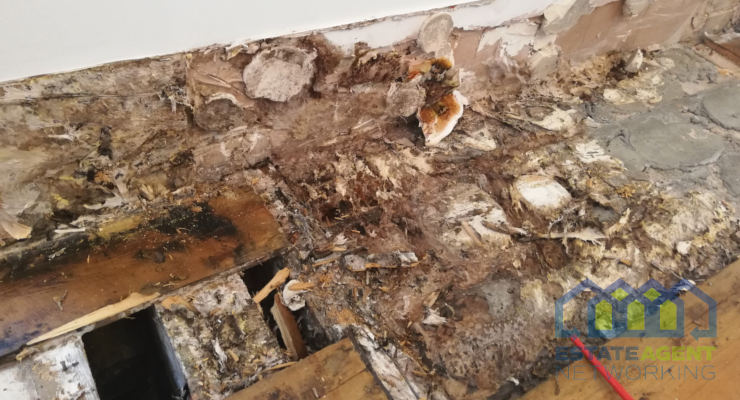
Half of Brits would retrofit their property to make it more appealing to future buyers
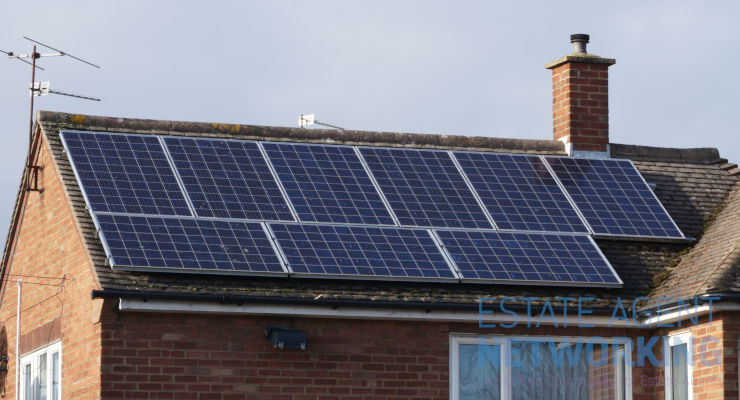
-
The government is funding £13.2 billion in retrofitting properties
-
Two-thirds (61%) of homeowners state that upfront cost is the biggest barrier to retrofitting
-
Younger homeowners are more open to green improvements in their homes
-
Over half of Brits think retrofitting would make their property more appealing to future buyers
-
Over half (59%) of homeowners would retrofit their properties if more financial support were available
-
Two in five (39%) homeowners feel their local council doesn’t do enough to support retrofitting
-
Energy experts at Uswitch outline the key benefits of why you should retrofit your property
Improving a home’s efficiency can be achieved with a range of upgrades known as retrofitting. Whether planning a renovation or extending your home, the process is particularly important for older properties where managing ventilation, moisture and heat loss are crucial. Retrofitting can be done by upgrading an existing home with new features or technologies to improve its performance and efficiency. Not only does this help future-proof homes but it also reduces energy bills and improves sustainability.
Four in five homes that will be occupied in 2050 have already been built, and most will need retrofitting with low-carbon heating systems and energy efficiency improvements for the UK to reach net-zero. The Government’s Warm Homes Plan (WHP) is backed by £13.2 billion, helping households save up to £600 off energy bills through the installation of heat pumps and energy efficiency technology.
New research from energy experts at Uswitch, the comparison and switching service, found that while the majority of homeowners are motivated to retrofit their homes to save on energy bills, financial and informational barriers are preventing them from retrofitting.
A survey of 1,000 UK homeowners revealed that over half (55%) of Brits have already made improvements to reduce energy consumption in their homes; however, only one in three (33%) Brits are considering retrofitting their properties, despite 56% saying they understand how retrofitting can reduce their energy bills.
Two-thirds (61%) of homeowners state that upfront cost is the biggest barrier to retrofitting
The cost of retrofitting can vary depending on the scale of improvements, from smaller changes like smart heating controls right up to the installation of more expensive investments like solar panels, heat pumps and improved wall and floor insulation. However, upfront costs are a main barrier to retrofitting, with almost two-thirds (61%) of Brits stating that the upfront cost is too high and too expensive for the average household. The majority (71%) of over-55s believed that cost is the biggest obstacle.
|
Barrier To Retrofitting |
Total Percentage (%) |
|
I would be more likely to retrofit if I could see the savings on my energy bills |
66.80% |
|
The upfront cost of retrofitting is a major barrier for homeowners |
65.50% |
|
Retrofitting is too expensive for the average household |
61.50% |
|
I don’t know enough about the financial support or grants available to me |
59.50% |
|
I would retrofit my home if financial support were more accessible |
59.20% |
|
Retrofitting feels too disruptive, confusing or complex |
47.80% |
|
I would retrofit my property if people in my community were doing the same |
37.20% |
|
My property makes it difficult to retrofit |
34.50% |
Source: Uswitch.com
More than two-thirds (67%) of homeowners stated that they would be more likely to retrofit if they could clearly see savings on their energy bills. Those aged 25-35 were most motivated by the savings on their energy bills, with over two-thirds (71%) stating they would retrofit their home if financial support was more accessible, in comparison to only 50% of over-55s.
Younger homeowners are more open to green improvements on their properties
Younger homeowners are more open to energy-saving upgrades in their properties, as over two-thirds (69%) of 25-34 year olds stated that they already had energy-saving products in their home. They are most likely to consider solar panels (57%), smart heating controls (48%) and heat pumps (41%). While those over 55 favour insulation (52%) and double/triple glazing (50%). A fifth (20%) of 55+ stated they would not consider retrofitting measures, in comparison to just 5% of 25-34.
Over half of Brits think retrofitting their property would make it more appealing to future buyers
When it comes to improving homes for potential sale, more than half (55%) feel that retrofitting would boost appeal to buyers. Research found that almost three in five (57%) Brits would pay more for a house with renewable or low-carbon energy sources. The same survey found a quarter (25%) would be willing to spend between £15k and £25k extra for a green property, with more than one in 10 (11%) willing to pay more than £45k extra.
Under two-thirds (59%) of homeowners would retrofit their properties if more financial support were available
More accessible financial information would encourage homeowners to retrofit their properties, with 59% stating they would retrofit their properties if support were easier to access. Many homeowners (60%) state that the upfront cost of retrofitting their property is too high. Over half (51%) would retrofit their home to save against rising energy prices, but almost two-thirds (63%) don’t know how much money they would save from retrofitting their property.
Homeowners could save over £2,000 per year on retrofitting their property
|
Energy Savings From Retrofitting |
Average Saving Per Year |
|
Cavity Wall Insulation |
£240 |
|
Loft Insulation |
£230 |
|
Solid Wall Insulation |
£330 |
|
Floor Insulation |
£70 |
|
Heat Pump |
£482 |
|
Solar Panels |
£600 |
|
Double/Triple Glazing |
£140 |
|
Smart Heating Controls |
£110 |
Source: Uswitch.com, Which, Energy Saving Trust
A home’s Energy Performance Certificate (EPC) will suggest improvements homeowners could consider making to improve energy efficiency. The average EPC rating is D, with less than half of homes in England currently rated EPC band C or above.
Small-scale changes, such as adding LED light bulbs or smart controls, are also considered retrofitting, while larger improvements include heat pump installation and thicker loft insulation. Homeowners could save from £70 to over £2,000 per year, depending on the improvements.
Two in five (39%) homeowners believe their local council doesn’t do enough to support retrofitting
Almost two in five (39%) homeowners feel that their local council doesn’t provide enough information and support about retrofitting. The city-level data shows that residents thought that their councils did not provide enough information, with Edinburgh (48%), Belfast (47%), Nottingham (46%), Leeds (45%) and Glasgow (43%) experiencing significant dissatisfaction. Nearly half of UK respondents (49%) stated that retrofitting is important for reducing carbon emissions and helping the UK hit zero. The lack of information and guidance is a concern, suggesting Brits lack the knowledge of retrofitting and its benefits.
Ben Gallizzi, energy expert at Uswitch.com, shares the top benefits of retrofitting your property
-
Lowering energy bills
“Retrofitting your home has a huge saving potential, including on your energy bills. Homes that retain heat better and have more efficient heating systems will require less energy to keep your property warm.
-
Better for the planet
“Energy-efficient improvements help reduce carbon emissions and energy consumption in existing buildings by enhancing insulation and switching to renewable energy sources.
-
Helping reach net-zero
“Making homes more energy-efficient plays a key role in helping the UK reach net zero. With 25% of the UK’s greenhouse gas emissions coming from the built environment, retrofitting offers a more sustainable alternative to redevelopment and is essential to meet the UK’s climate goals.
-
Start small
“As cost is a major concern for many homeowners, homeowners should consider starting small with their green improvements, such as switching to energy-efficient lighting or smart heating controls.
-
Grants available
“Almost two-thirds (60%) of homeowners stated they do not know enough about financial support or grants available to them for retrofitting. There is a range of UK energy grants designed to help homes heat themselves as efficiently as possible.

You May Also Enjoy

Seven things to do if a tree damages your property
Leasing demand rises across all sectors

Don’t Put The Property Market On Pause

Before You Sign: 10 Things Home Movers Wish They Knew

Property expert warns homeowners to lock in amid mortgage rates uncertainty